12 Best Blogging Platforms for Beginners in 2025 (Reviewed)
Discover the 12 best blogging platforms for beginners. Compare top options like WordPress, Wix, and Substack to start your blog the right way in 2025.


Starting a blog today presents a paradox of choice. With dozens of platforms available, selecting the right one can feel more complicated than writing your first post. This guide is engineered to simplify that decision. We provide a detailed analysis of the best blogging platforms for beginners, moving beyond surface-level features to examine the practical trade-offs you'll face.
This is not just a list; it's a strategic framework for choosing your digital foundation. We will dissect twelve unique platforms, from all-in-one website builders like Wix and Squarespace to minimalist writing tools like Write.as and newsletter-centric options like Substack. For each platform, you will find a breakdown of its ideal use case, monetization potential, long-term scalability, and true cost.
Our goal is to equip you with the insights needed to match a platform's strengths to your specific ambitions. Whether you aim to build a personal brand, a niche community, or a content-driven business, the right choice is crucial. Each entry includes screenshots and direct links, allowing you to move from analysis to action efficiently. Let's identify the perfect home for your content.
1. WordPress.com
WordPress.com is a powerful, hosted solution that streamlines the process of launching a blog, making it one of the best blogging platforms for beginners seeking scalability. It handles all the technical backend tasks like hosting and security, allowing you to focus purely on content creation from day one. Its famous block editor is intuitive, providing a visual, drag-and-drop experience for crafting posts.
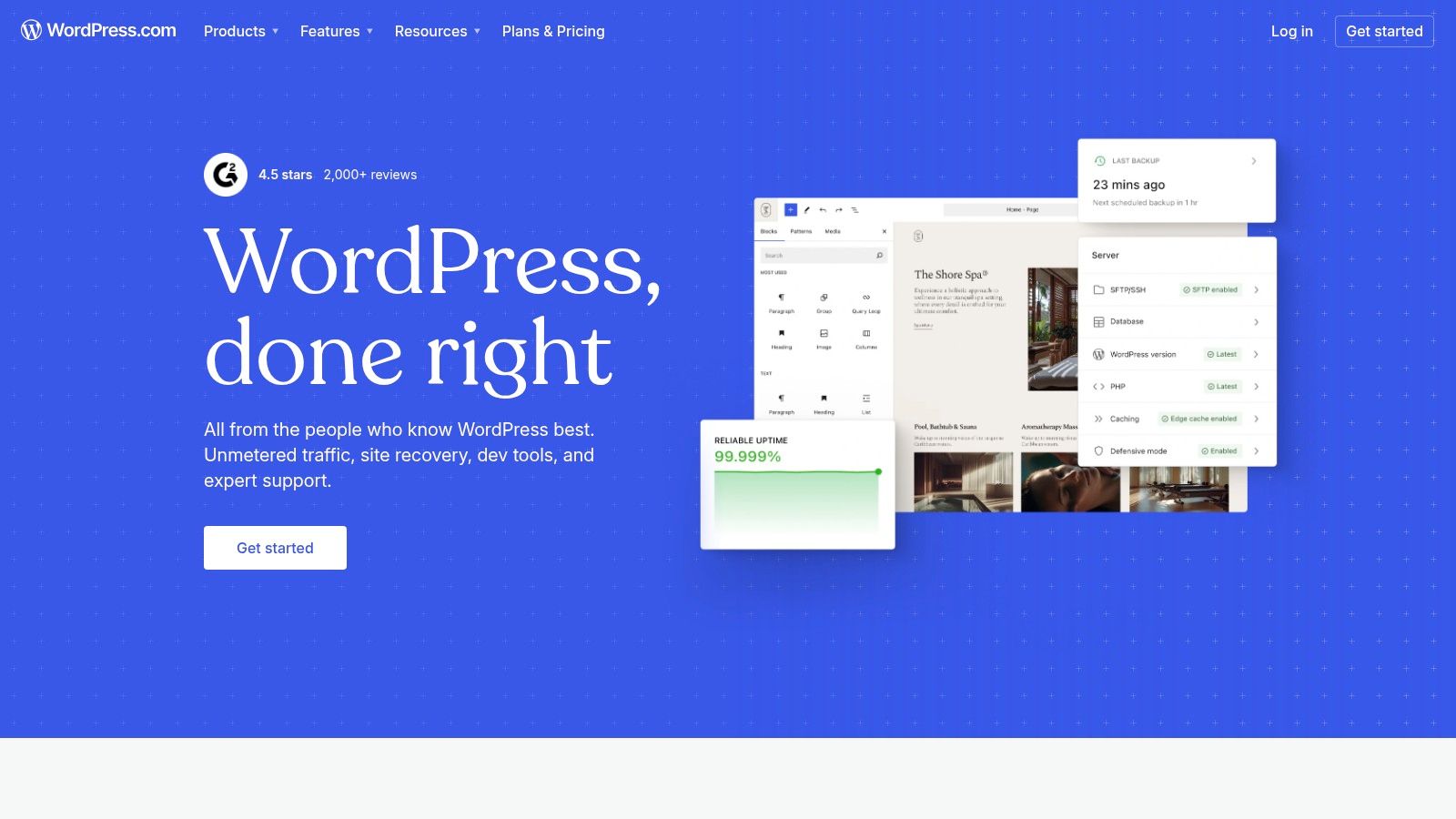
The platform offers a generous free plan that's perfect for testing the waters, though it includes WordPress.com branding. As your blog grows, you can upgrade to paid plans (starting from $4/month) to unlock features like a custom domain, increased storage, and monetization tools. The new AI Site Builder further simplifies setup by generating a unique website design based on your descriptions. For a detailed comparison, see this breakdown of the best website builders for blogs.
Analysis & Key Considerations
- Best For: Beginners who want a platform that can grow with them, from a simple hobby blog to a full-fledged business.
- Pros:
- Excellent free plan for starting out.
- Incredibly scalable with a clear upgrade path.
- Massive ecosystem and community support.
- Cons:
- Access to plugins and advanced customization is locked behind more expensive plans (Business and up).
- The distinction between WordPress.com and self-hosted WordPress.org can be confusing for newcomers.
2. Wix
Wix stands out as one of the most intuitive and visually-driven options, making it a top choice among the best blogging platforms for beginners who prioritize design freedom and simplicity. Its core strength lies in its powerful drag-and-drop editor, which gives you complete creative control over your blog's layout without needing to write a single line of code. For an even faster start, the Wix ADI (Artificial Design Intelligence) can generate a personalized blog for you in minutes.
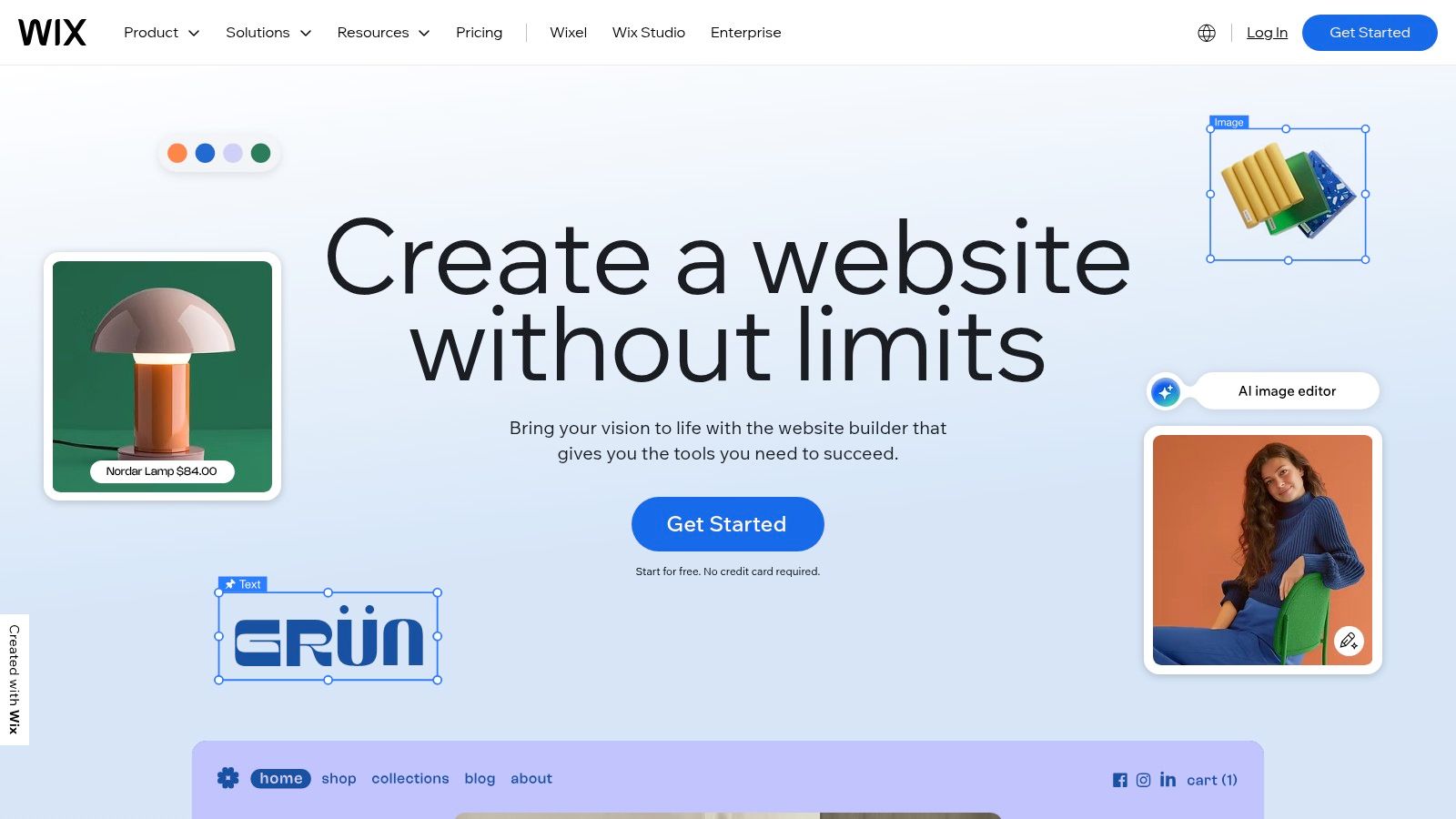
The platform offers a functional free plan to get started, which includes Wix branding and a non-custom domain. To connect your own domain and access more features, premium plans start at around $16/month. The extensive App Market allows for easy integration of new functionalities, from advanced analytics to e-commerce storefronts, making the platform highly adaptable. Wix is a fantastic example of a powerful no-code CMS solution that empowers non-technical users.
Analysis & Key Considerations
- Best For: Creative beginners and small business owners who want a visually stunning blog with minimal technical effort.
- Pros:
- Extremely user-friendly drag-and-drop editor.
- Over 900 professionally designed templates.
- Large app marketplace for adding functionality.
- Cons:
- Once a template is chosen, you cannot switch to another without rebuilding your site.
- The cost can increase as you add premium apps and features.
3. Squarespace
Squarespace is an elegant, all-in-one website builder renowned for its beautiful, award-winning templates and robust built-in features. It is a fantastic choice for beginners who prioritize visual aesthetics and want a single platform to handle everything from design to analytics. The intuitive, section-based editor makes it simple to create a polished, professional-looking blog without touching a single line of code.
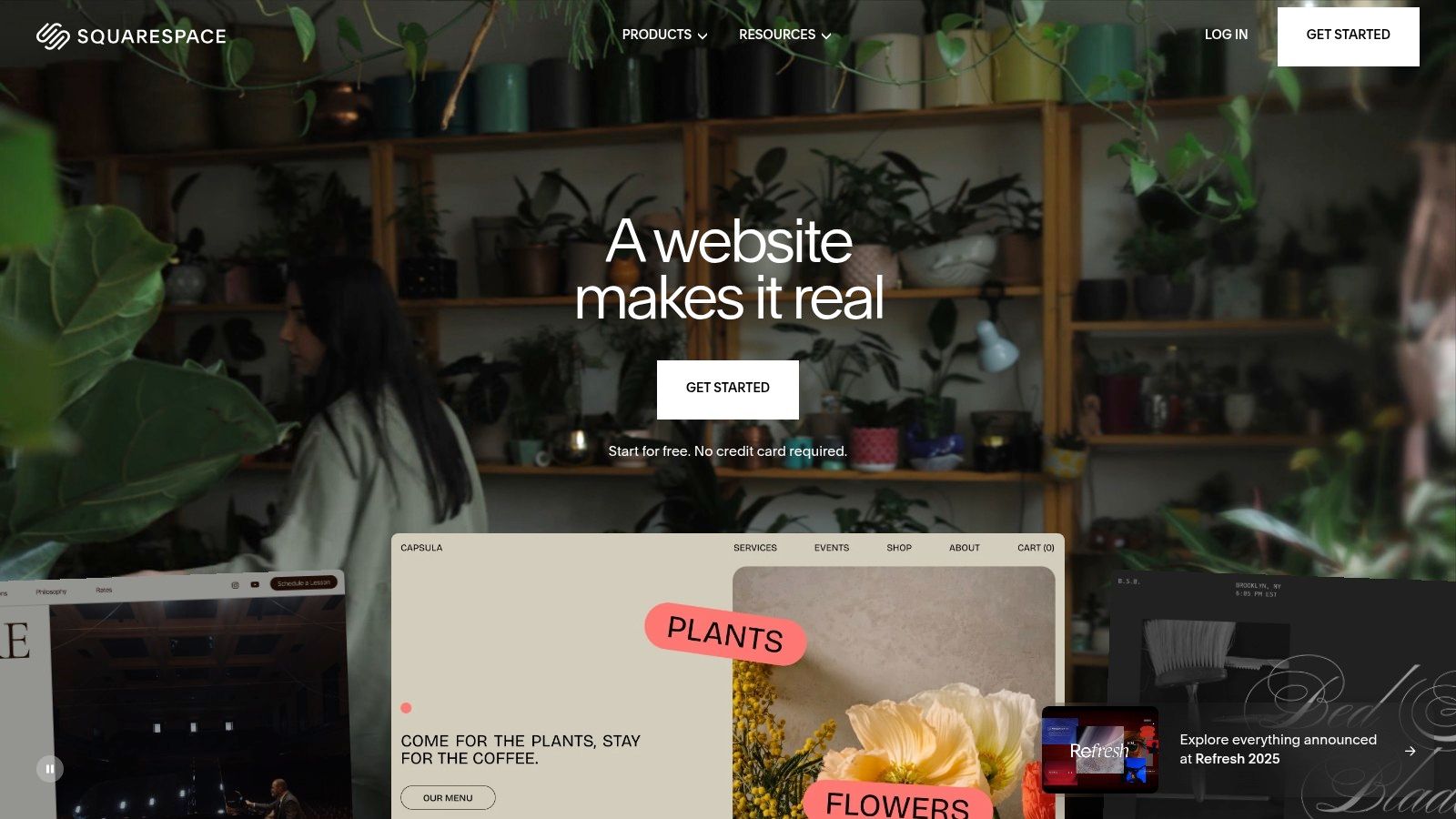
While Squarespace doesn't offer a permanent free plan, it provides a 14-day free trial to test its features. Paid plans (starting at $16/month) include hosting, a free custom domain for the first year with annual billing, and powerful built-in tools for SEO, blogging, and e-commerce. As an all-in-one solution, Squarespace simplifies technical decisions, which you can explore in this guide on how to choose website hosting.
Analysis & Key Considerations
- Best For: Creatives, designers, and small business owners who value a premium, visually-driven blog and prefer an all-in-one solution.
- Pros:
- Best-in-class design templates that are modern and mobile-responsive.
- Simple to maintain with all tools integrated into one dashboard.
- Good bundled features like SEO and e-commerce on all plans.
- Cons:
- No permanent free plan available, only a 14-day trial.
- New 2025 plan pricing is higher than in previous years.
4. Blogger (Google)
Blogger is Google's free, no-frills blogging platform, offering one of the lowest-friction entry points into the world of blogging. Since it integrates directly with a Google account, setup is nearly instantaneous. It handles all technical aspects like hosting and security, providing a stable, if basic, environment perfect for personal journals, hobby projects, or anyone wanting to test blogging without any financial commitment.
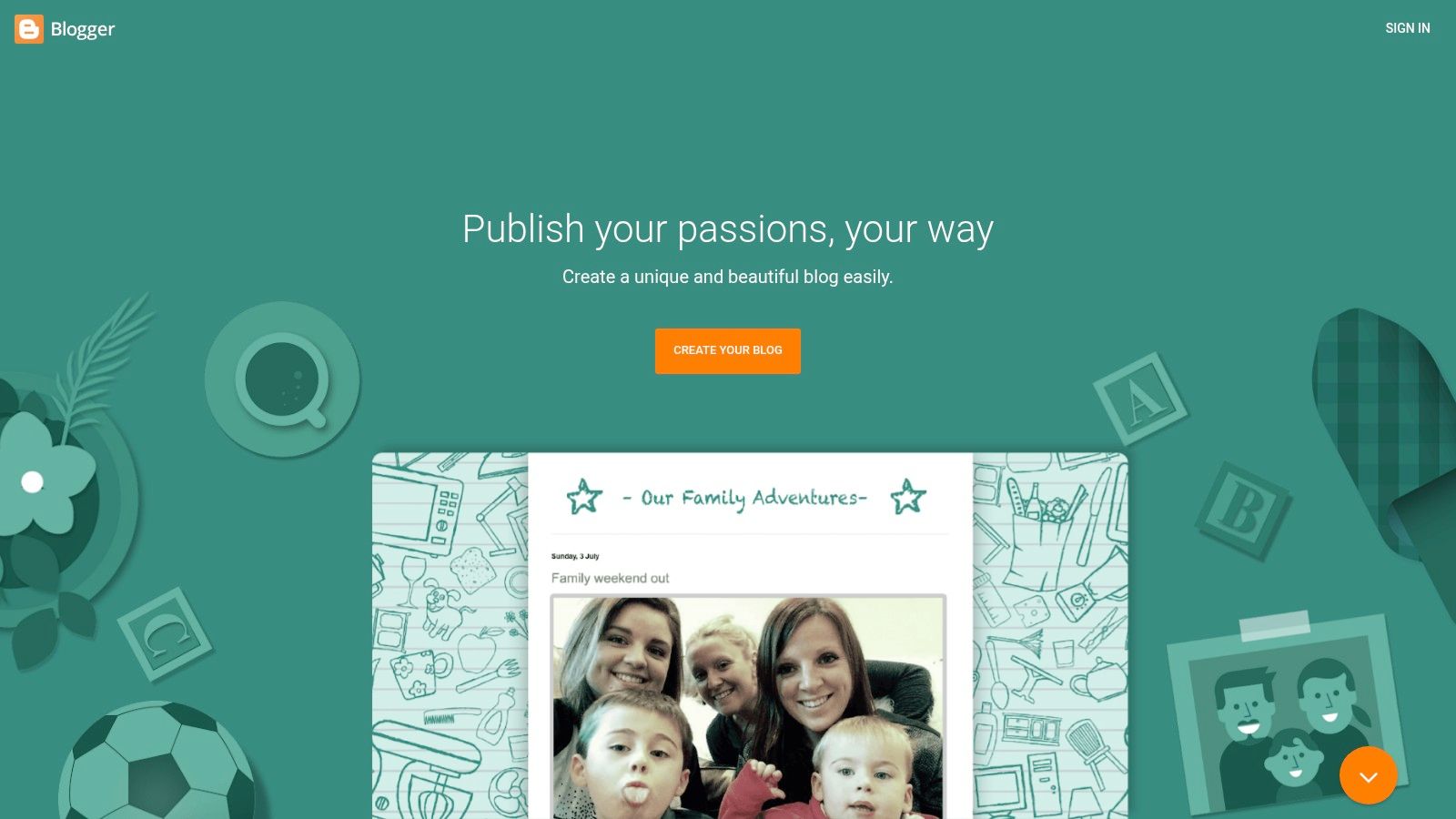
The platform is entirely free, including the ability to map a custom domain you own, which is a rare feature for a free service. Its interface is straightforward, focusing on core functionalities: creating posts, managing pages, and moderating comments. While it lacks the advanced features and polished templates of modern competitors, its simplicity makes it one of the most approachable blogging platforms for beginners who just want to write. You can explore its offerings at Blogger.com.
Analysis & Key Considerations
- Best For: Hobbyists, personal diarists, or absolute beginners who prioritize zero cost and simplicity above all else.
- Pros:
- Completely free to use, including custom domain support.
- Extremely simple and easy to learn.
- Backed by Google's reliable infrastructure.
- Cons:
- Limited and often outdated theme selection.
- Slower feature development compared to other platforms.
- Minimal customization options and no plugin ecosystem.
5. Medium
Medium stands out as a writer-centric platform where content discovery is built-in, making it a unique choice among the best blogging platforms for beginners. It removes all technical overhead like hosting or design, providing a clean, minimalist editor that lets you focus exclusively on your writing. The platform's value lies in its integrated network; your articles can be algorithmically recommended to millions of readers interested in your topics.
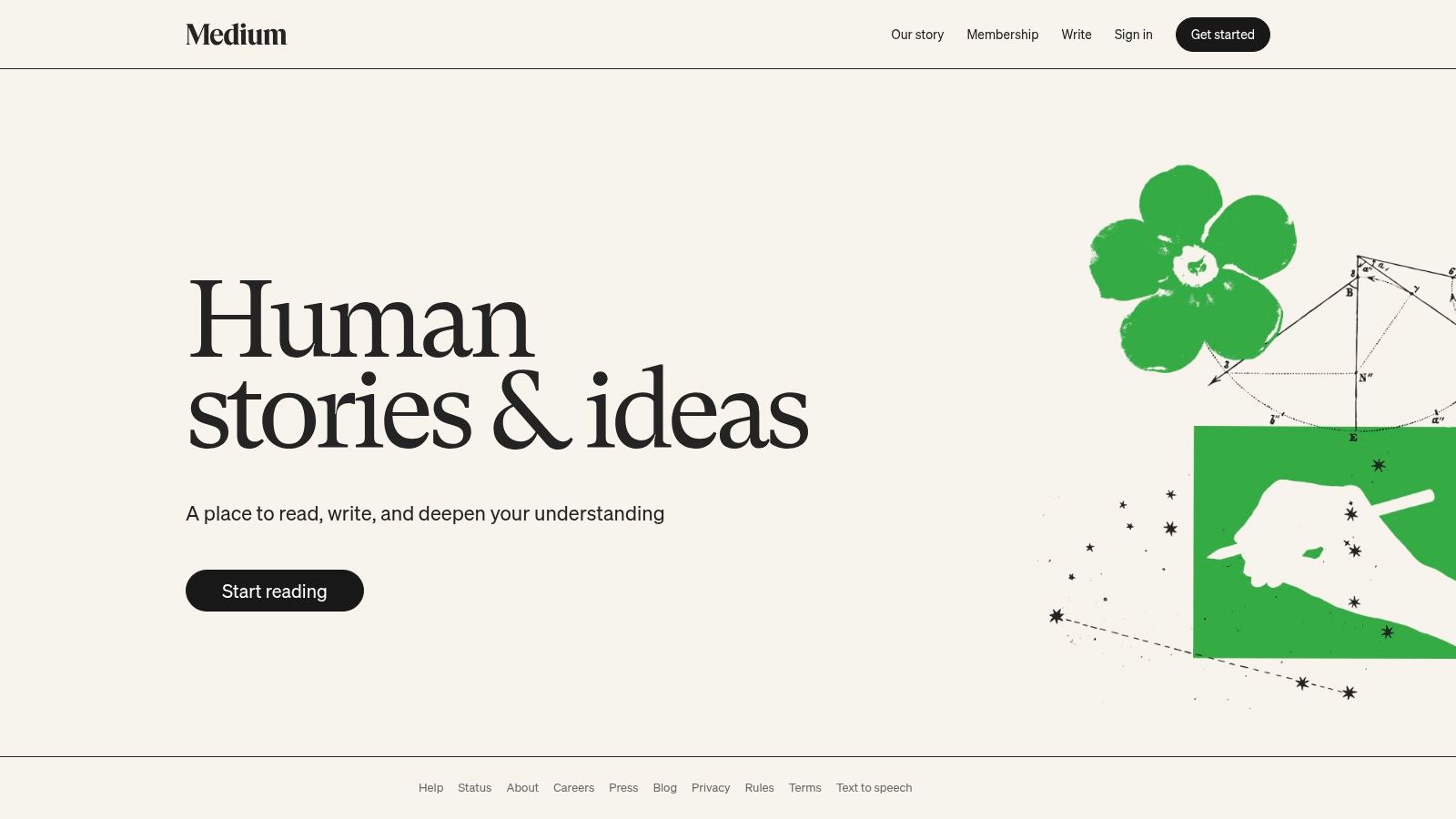
Publishing on Medium is free, and monetization is available through its Partner Program, where you earn money based on member engagement with your stories. You can also join "Publications" to reach established audiences. While it excels at getting your words in front of readers, it's not a website builder. You trade custom domains and branding control for a frictionless writing experience and potential organic reach.
Analysis & Key Considerations
- Best For: Writers who want to build a personal brand and reach a new audience without worrying about website management.
- Pros:
- Zero setup or technical maintenance required.
- Built-in audience and algorithmic distribution system.
- Simple, elegant, and distraction-free writing interface.
- Cons:
- Very limited branding and design customization.
- You don't own the platform; you're building on rented land, and rules can change.
6. Substack
Substack is a unique, newsletter-first platform that is exceptionally well-suited for writers looking to build a direct relationship with their audience. It seamlessly combines a blog, website, and email newsletter into one integrated system, making it one of the best blogging platforms for beginners focused on community and direct monetization. Publishing is free, allowing you to start building an email list from day one without any upfront cost.
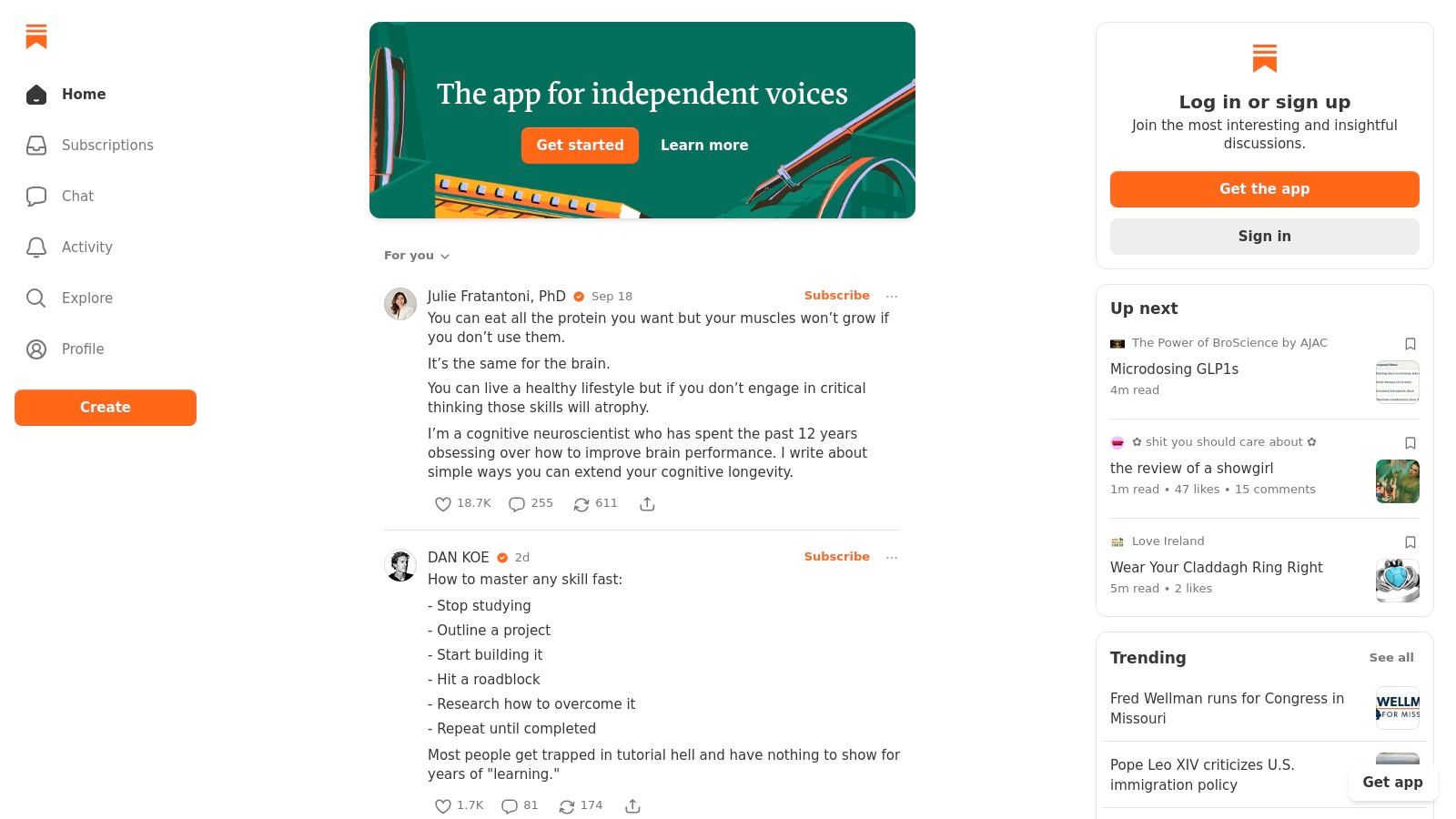
The platform's standout feature is its built-in paid subscription model. With Stripe integration, you can easily offer premium content to paying subscribers. Substack takes a 10% cut of revenue, but only after you start earning. This model, combined with its recommendation network and support for podcasts and video, provides a powerful toolkit for creators. This direct monetization path is a key part of an effective content strategy for a small business.
Analysis & Key Considerations
- Best For: Writers, journalists, and creators who want to build a loyal community through a newsletter and monetize their content directly.
- Pros:
- Incredibly easy and fast to launch.
- Built-in monetization and audience growth tools.
- Creators always retain full ownership of their content and email list.
- Cons:
- A 10% platform fee (plus Stripe fees) on paid subscriptions can be significant.
- Design and layout customization options are very limited compared to other platforms.
7. Ghost (Ghost(Pro))
Ghost is a powerful, open-source publishing platform designed specifically for professional creators who want to build a business around their content. Its minimalist, Markdown-based editor provides a focused writing experience, while its native membership and newsletter features allow you to turn an audience into a community. It’s an excellent choice for serious bloggers who prioritize content and direct monetization from the start.
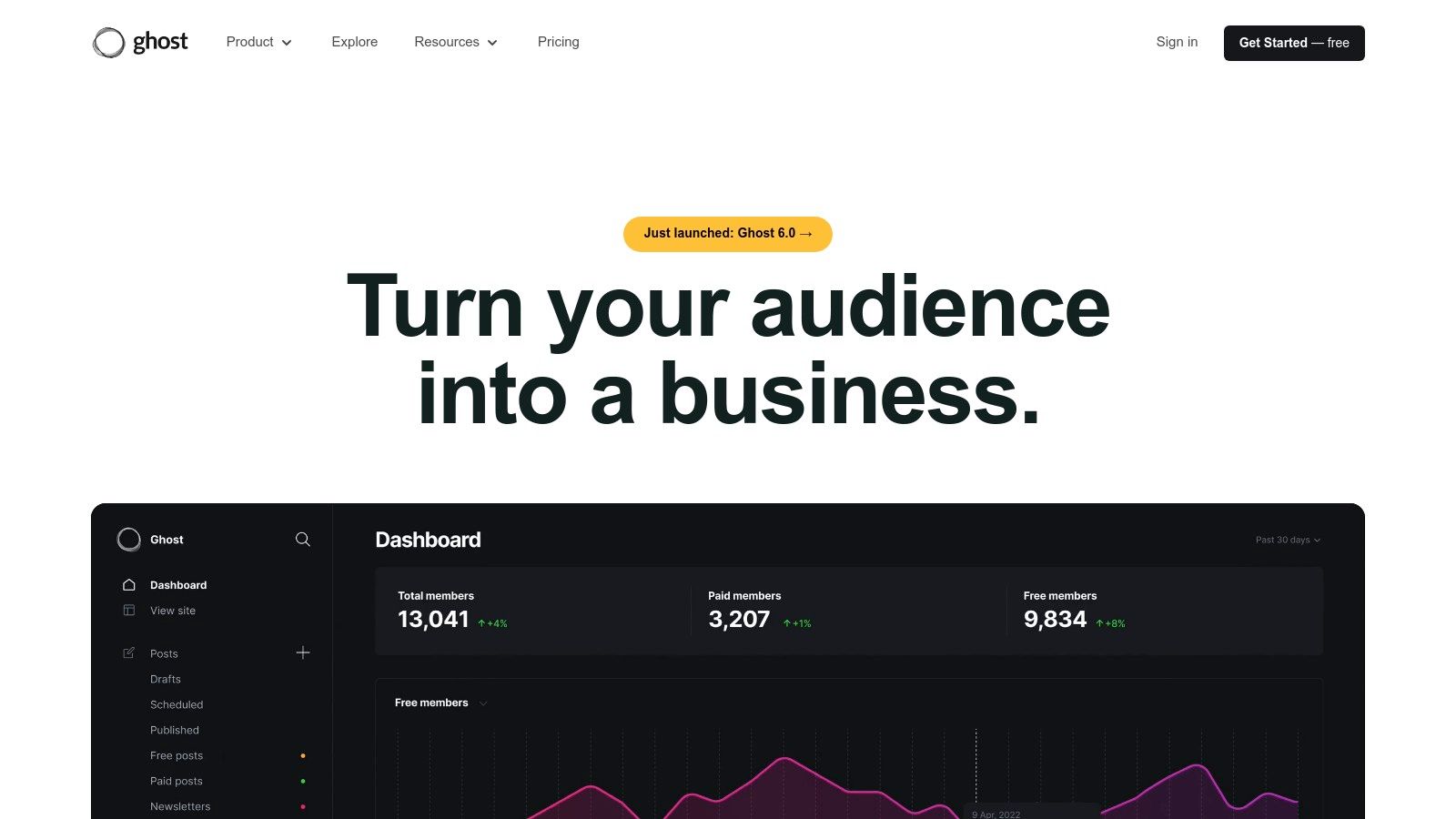
Unlike many platforms, Ghost lets you keep 100% of your subscription revenue (standard Stripe fees apply), making it a financially smart option. The managed hosting solution, Ghost(Pro), handles all technical aspects with plans starting from $9 per month. This makes it one of the best blogging platforms for beginners who are serious about building a media brand and want a system that supports paid subscriptions without taking a cut of the profits. You can learn more at ghost.org.
Analysis & Key Considerations
- Best For: Independent creators, journalists, and entrepreneurs who want to run a professional publication with built-in membership and newsletter tools.
- Pros:
- Sleek, distraction-free writing interface.
- 0% platform fees on paid subscriptions.
- Integrated SEO, newsletter, and analytics tools.
- Cons:
- Less plugin variety compared to WordPress.
- Requires some technical comfort for deep customization, often involving theme editing.
8. Weebly (by Square)
Weebly, now part of the Square ecosystem, offers a straightforward and budget-friendly entry point into the world of blogging. Its core strength lies in its simplicity, featuring a structured drag-and-drop editor that makes creating posts and pages feel intuitive for absolute beginners. This ease of use makes it a solid choice for those who want a simple blog or a small business website without a steep learning curve.
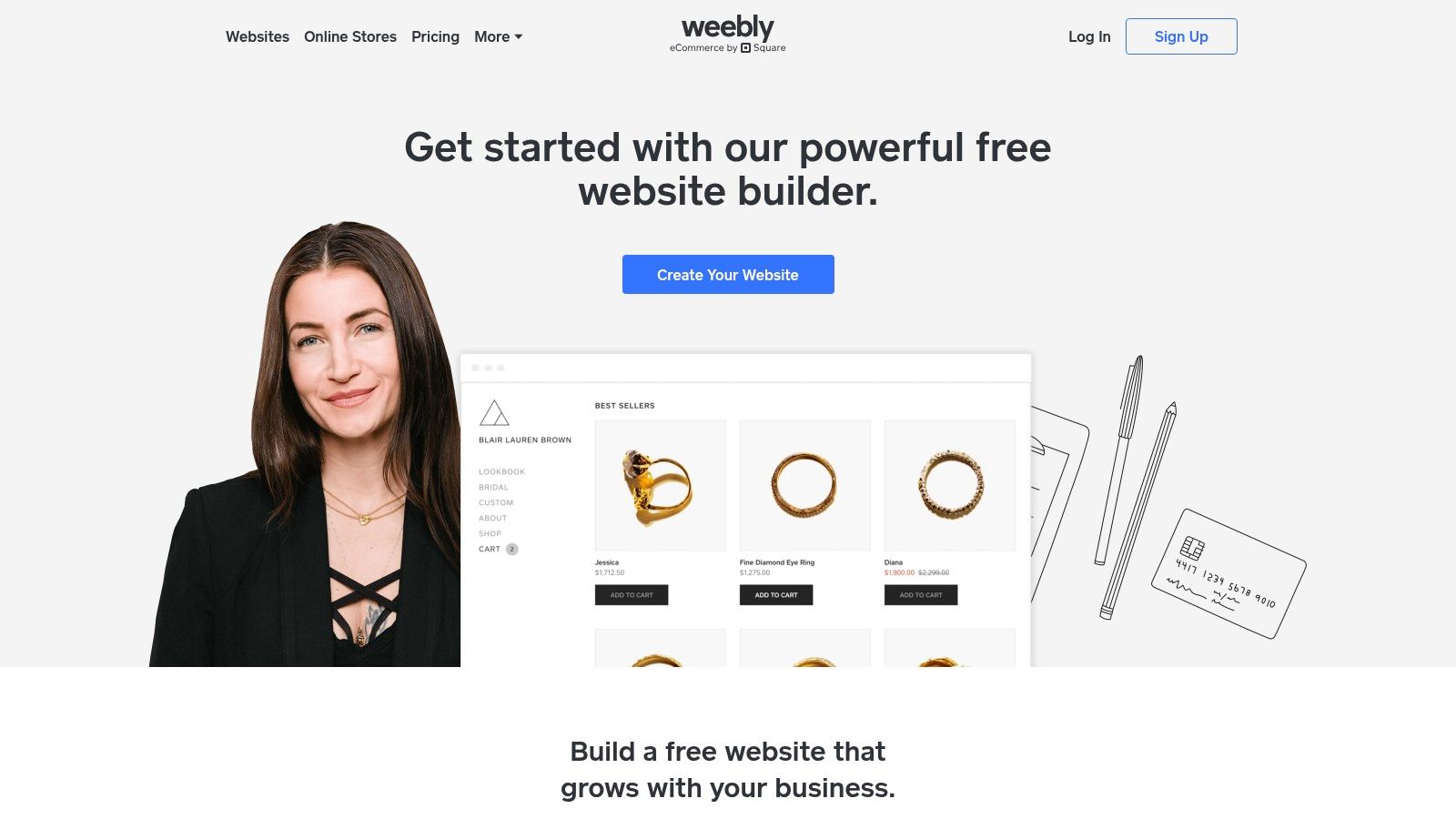
The platform includes a free plan with Weebly branding, while paid plans (starting from $10/month, billed annually) add a custom domain and remove ads. Its integration with Square makes it a natural fit for bloggers looking to sell a few products or services directly. While it may not have the most advanced features, it provides all the essential tools needed to get started, as detailed in this guide to the best website builders for small businesses. Weebly is one of the best blogging platforms for beginners who prioritize low cost and simplicity.
Analysis & Key Considerations
- Best For: Hobby bloggers and small business owners who need a simple, low-cost website with basic e-commerce capabilities.
- Pros:
- Very affordable annual pricing plans.
- Extremely straightforward setup and easy-to-use editor.
- Seamless integration with Square for payments.
- Cons:
- Platform development has noticeably slowed compared to competitors.
- Limited customization options and fewer advanced blogging features.
9. Webflow
Webflow is a unique entry among the best blogging platforms for beginners, blending no-code visual design with professional-grade power. It offers unparalleled pixel-level control, allowing you to build a completely custom blog design without writing a single line of code. Its integrated CMS is robust, enabling structured content that is perfect for dynamic blog layouts, author bios, and category pages. The platform handles high-performance hosting and generates clean code, ensuring excellent SEO foundations from the start.
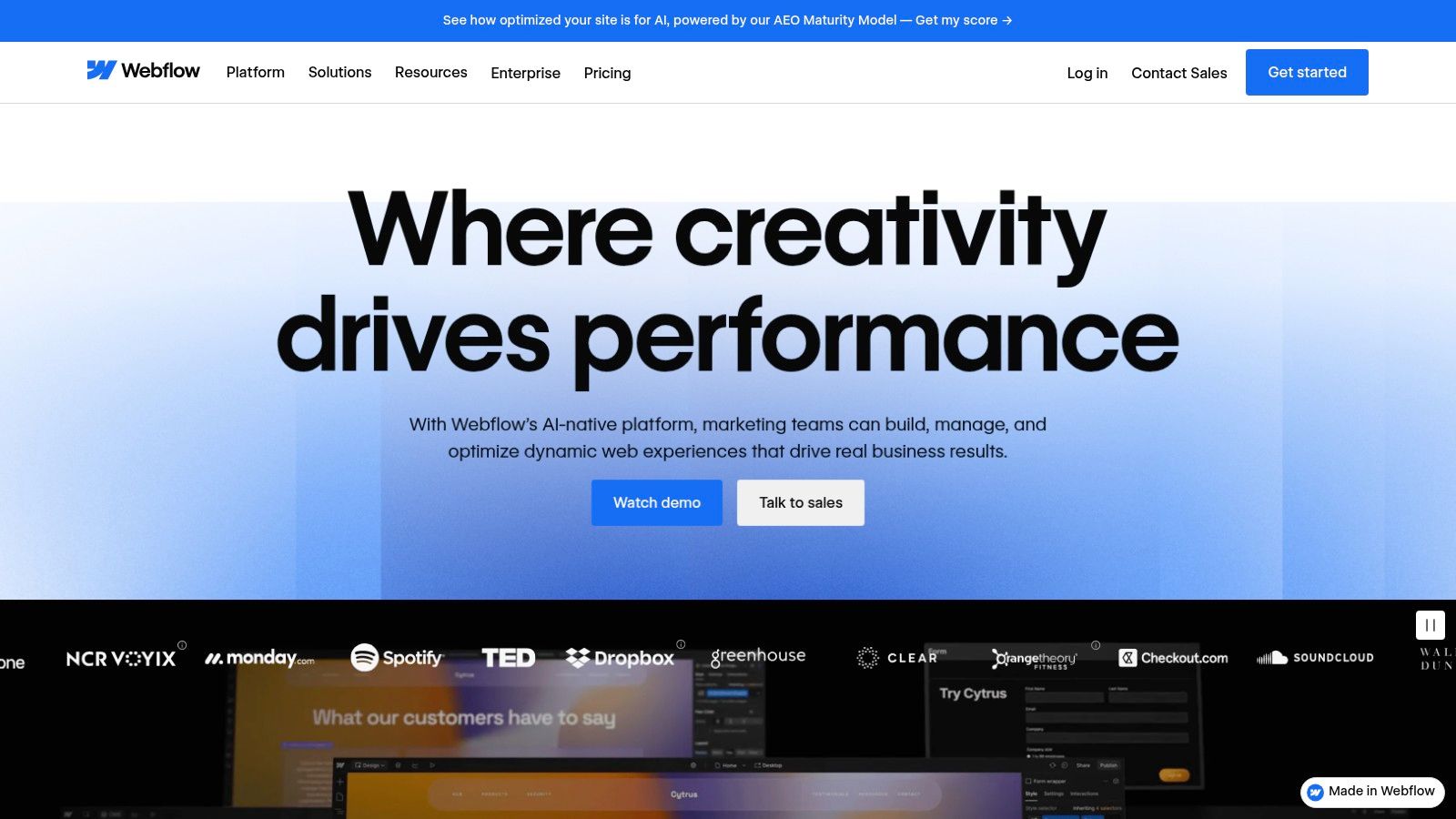
While it offers a free plan to build and learn, a paid plan is necessary to connect a custom domain and launch your site. CMS plans, which are essential for blogging, start at $23 per month (billed annually). Webflow University provides extensive, high-quality tutorials to help users master the tool, though the initial learning curve is steeper than with drag-and-drop builders like Wix. It's an ideal choice for design-focused creators who want total control without being limited by templates.
Analysis & Key Considerations
- Best For: Design-savvy beginners and aspiring professionals who want complete creative freedom over their blog's look and functionality.
- Pros:
- Unmatched pixel-level design control without code.
- Powerful and flexible CMS for structured content.
- Excellent site performance and strong SEO capabilities.
- Cons:
- Steeper learning curve compared to simpler platforms.
- Lower-tier plans have limitations on CMS items and pages, requiring upgrades as you grow.
10. Tumblr
Tumblr is a social micro-blogging platform that blends traditional blogging with social networking, making it a unique choice among the best blogging platforms for beginners. It excels at quick, multimedia-rich posts like images, GIFs, and quotes. The platform's strength lies in its community, where content is discovered and shared through a system of tags and "reblogs," offering a built-in mechanism for audience growth.
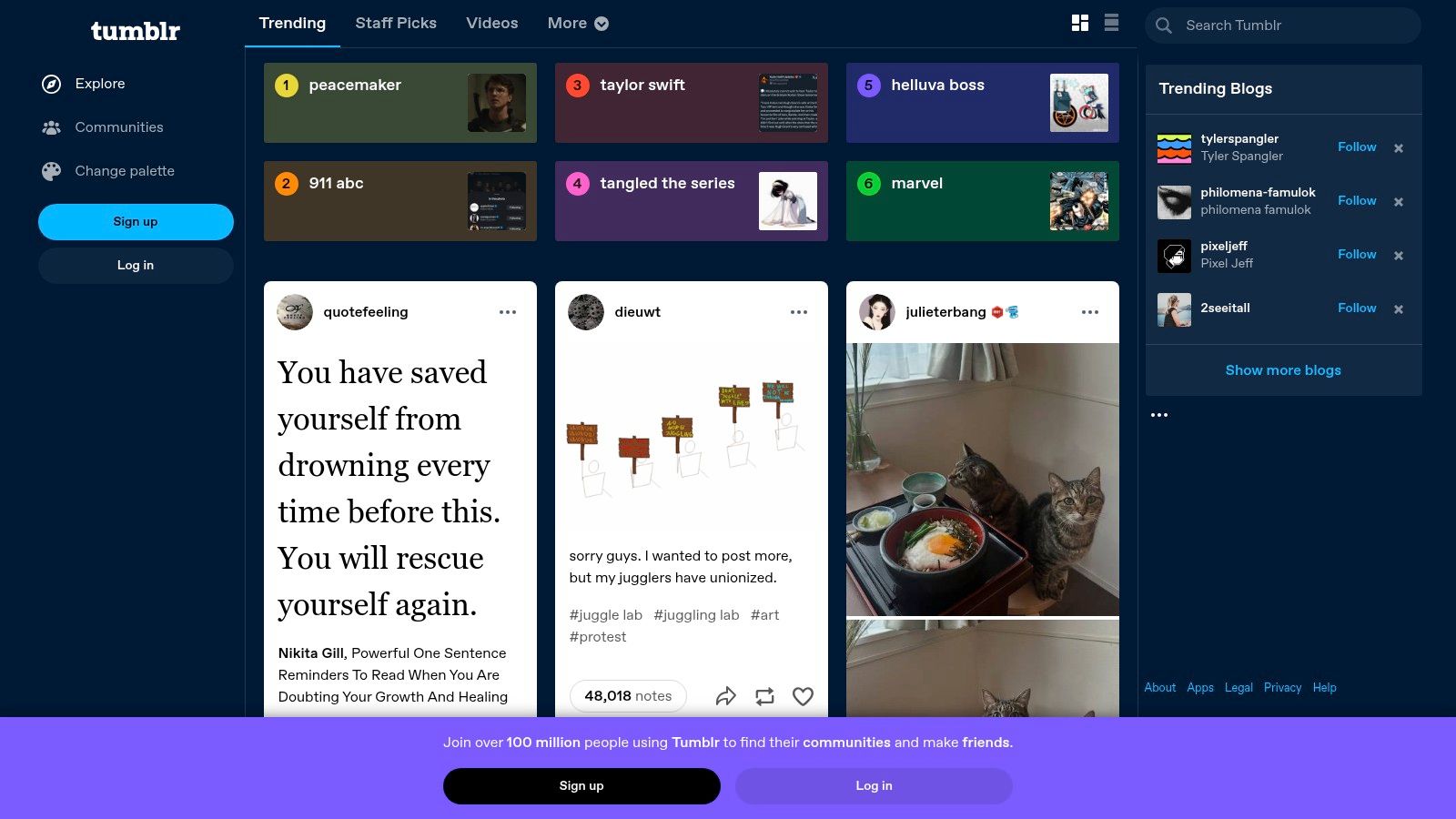
Getting started is free and immediate, allowing you to publish your first post within minutes. While the core experience is free, Tumblr offers an optional ad-free subscription for $4.99/month (or $39.99/year), which also provides access to exclusive themes and features. Custom domains are supported, giving your blog a more professional look as it grows. The platform is less focused on long-form, SEO-driven content and more on visual storytelling and community engagement.
Analysis & Key Considerations
- Best For: Creative individuals, artists, and hobbyists who prioritize community engagement and viral potential over traditional blogging metrics.
- Pros:
- Extremely easy to start and use immediately.
- Excellent for visual content and short-form posts.
- Built-in audience and strong potential for content discovery.
- Cons:
- Not ideal for professional or business blogs focused on SEO.
- Customization and formatting options for long-form content are limited.
11. beehiiv
beehiiv is a newsletter-first platform that seamlessly integrates blogging capabilities, making it a unique choice among the best blogging platforms for beginners focused on building a direct audience. It flips the traditional model by centering your content around an email list, providing a custom website where all your newsletter issues live as blog posts. This creator-centric approach is designed to foster growth through direct engagement and monetization.
The platform includes powerful, built-in tools like a referral program, a boost network to get discovered by other newsletters, and an ad network for monetization. The free plan is incredibly generous, supporting up to 2,500 subscribers with unlimited email sends. Paid plans (starting at $42/month billed annually) unlock advanced features like automations, API access, and premium subscriptions with a 0% platform fee, which is a major advantage. To better understand its unique positioning, explore Beehiiv's creator-first marketing strategy.
Analysis & Key Considerations
- Best For: Writers, creators, and subject-matter experts who want to prioritize building an email community and monetize through paid subscriptions.
- Pros:
- Generous free tier for up to 2,500 subscribers.
- Integrated growth tools (referrals, boosts) are included.
- 0% platform fee on revenue from paid subscriptions.
- Cons:
- Less focused on traditional blog design and layout customization compared to dedicated website builders.
- Pricing scales based on subscriber count, which can become costly.
- Some monetization features have regional limitations.
12. Write.as
Write.as is a minimalistic, privacy-focused platform designed for writers who want a clean, distraction-free environment. It strips away the complexities of traditional blogging systems, presenting a simple interface that prioritizes the act of writing above all else. Its plain-text and Markdown editor is incredibly fast, allowing you to publish your thoughts with minimal friction, making it one of the best blogging platforms for beginners who value simplicity and speed.
The platform champions an ad-free experience and does not use invasive tracking, respecting both writer and reader privacy. A free plan allows for anonymous posting, while paid plans (starting from $6/month) unlock features like custom domains, newsletters, and the ability to run multiple blogs from one account. For those who want to focus purely on content without worrying about design or plugins, Write.as offers a refreshingly direct approach to blogging.
Analysis & Key Considerations
- Best For: Writers and journalists who prioritize privacy, speed, and a minimalist writing experience over extensive customization.
- Pros:
- Extremely simple, fast, and distraction-free interface.
- Strong commitment to privacy with an ad-free environment.
- Affordable paid plans for solo writers.
- Cons:
- Very limited theming and design customization options.
- Lacks the extensive plugin and integration ecosystem of larger platforms.
- The minimalist editor may feel too basic for users accustomed to WYSIWYG controls.
Top 12 Blogging Platforms Feature Comparison
| Platform | Core Features / Flexibility | User Experience & Quality ★★★★☆ | Value & Pricing 💰 | Target Audience 👥 | Unique Selling Points ✨ |
|---|---|---|---|---|---|
| WordPress.com | Free+paid plans, plugins, WooCommerce | Flexible, huge ecosystem ★★★★☆ | Free tier; plugins on higher plans 💰💰 | Bloggers, businesses, developers 👥 | AI Site Builder, extensive themes 🏆 |
| Wix | Drag-and-drop, AI design, SEO, e-com | Beginner-friendly ★★★★☆ | Free + premium tiers 💰 | Non-technical users, small sites 👥 | 900+ templates, app marketplace ✨ |
| Squarespace | Polished templates, built-in SEO, e-com | Elegant design, easy to maintain ★★★★ | Paid plans only 💰💰 | Design-focused users, creatives 👥 | Free domain (1yr), all-in-one tools 🏆 |
| Blogger (Google) | Free hosting, custom domains | Very simple ★★★☆☆ | Completely free 💰 | Hobby/personal bloggers 👥 | Google integration, stable hosting ✨ |
| Medium | Clean editor, built-in audience | Strong reading experience ★★★★☆ | Free to use; monetization via Partner Program 💰 | Writers, beginners 👥 | Algorithmic content distribution 🏆 |
| Substack | Newsletter + blog, subscriptions | Quick launch, easy payments ★★★★☆ | Free publishing, 10% platform fee on paid 💰 | Creators, newsletter publishers 👥 | Built-in payments + podcasts ✨ |
| Ghost (Ghost(Pro)) | Memberships, newsletters, analytics | Fast, minimalist ★★★★☆ | Paid hosting, no platform fees 💰 | Creators, teams 👥 | 0% platform fee, open-source 🏆 |
| Weebly (Square) | Drag-drop, blogging, Square payments | Easy setup, low cost ★★★☆☆ | Low annual pricing 💰 | Small businesses, beginners 👥 | Square integration, budget-friendly ✨ |
| Webflow | Pixel-level design, CMS, hosting | Professional-grade ★★★★☆ | Paid plans with limits 💰💰 | Designers, advanced users 👥 | Full design control, Webflow University 🏆 |
| Tumblr | Micro-blogging, themes, tags | Very easy, viral potential ★★★☆☆ | Free, optional premium tier 💰 | Creatives, social bloggers 👥 | Social discovery, ad-free option ✨ |
| beehiiv | Newsletter + website, referral tools | Growth tools focused ★★★★☆ | Free tier; pricing scales 💰 | Newsletter creators 👥 | 0% platform fee, ad network ✨ |
| Write.as | Minimalist, Markdown, privacy-focused | Simple, distraction-free ★★★☆☆ | Low cost paid plans 💰 | Solo writers, privacy-conscious 👥 | Ad-free, federated API support ✨ |
Your Platform Is Just the Starting Line
Selecting a platform is a significant milestone in your blogging journey, but it's crucial to remember that the tool itself doesn't guarantee success. After analyzing a dozen of the best blogging platforms for beginners, from the all-in-one design power of Wix and Squarespace to the minimalist, content-first approaches of Medium and Write.as, a central theme emerges: the ideal platform is the one that empowers your unique creative process, rather than hindering it.
Your final decision should be a strategic one, directly aligned with your long-term objectives. The technical foundation you choose today will shape your blog's future capabilities, scalability, and monetization potential.
Making the Final Call: A Decision Framework
To move from analysis to action, consider these final filtering questions. They will help you crystallize your needs and match them to the right platform.
- What is my primary goal? If you're building a brand and aiming for maximum SEO control, a self-hosted solution or a powerful builder like WordPress.com or Webflow is logical. If your focus is purely on writing and community building, platforms like Substack or Ghost offer a more direct path.
- What is my technical comfort level? Be honest about your willingness to learn. Drag-and-drop editors like Weebly or Squarespace offer simplicity, while a platform like Ghost might require a bit more setup but provides greater freedom.
- What is my monetization strategy? If you plan to run ads and affiliate marketing, you need a platform with flexibility. If you're building a paid newsletter, beehiiv or Substack are designed specifically for that purpose. As you expand your online presence and consider monetization, understanding the differences between creator support platforms like Ko-fi vs. Patreon: Which Platform Is Best for Creators? can also be crucial for diversifying your income streams beyond the blog itself.
Your Next Steps: From Choice to Creation
Once you've made your choice, the real work begins. The platform is merely the vehicle; your content is the engine. The most successful bloggers aren't necessarily those with the most complex websites, but those who consistently deliver value, solve problems, and connect with their audience on a human level.
Your focus must now shift entirely to execution. Commit to a content schedule, define your target audience, and start producing the high-quality articles, stories, or newsletters you envisioned. Don't get trapped in a cycle of perpetual analysis. The perfect blog is not the one with the fanciest theme or the most plugins; it's the one that gets published. Your audience is waiting for your voice, your expertise, and your perspective. It's time to start writing.